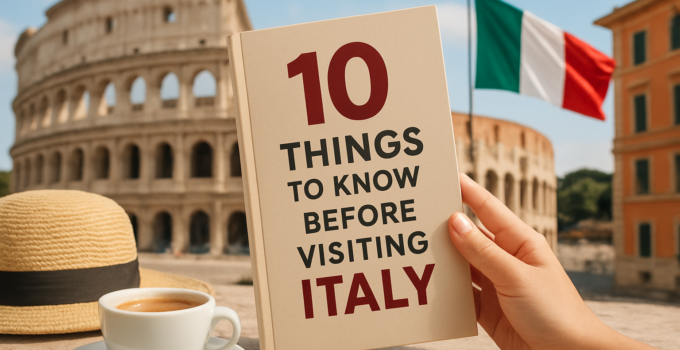
Italy draws millions with its art, food, landscapes and lively street life. To make the most of a visit, practical awareness of local customs, transport, costs and pace of life will save you time, money and frustration. This article highlights ten essential things to know before you go, with concrete tips to help you navigate cities, regions and everyday interactions.
Read through these points and use them to shape your itinerary, packing and expectations so your trip feels smoother and more rewarding from arrival to departure.
1. Regional diversity matters
Italy is not a single, uniform destination. Each region has its own history, dialects, culinary specialties and rhythms. Northern cities tend to be more businesslike and efficient, with different food traditions than the south, where life often moves at a slower pace and menus feature different ingredients. Islands and mountainous areas are yet another experience entirely.
Plan your route with regional differences in mind: allow extra time for travel between distant locales, and avoid assuming what you loved in one city will be found unchanged elsewhere.
2. Learn a few basic phrases and cultural courtesies
Many Italians in tourist areas speak some English, but learning a handful of Italian phrases—hello, please, thank you, excuse me—shows respect and often improves interactions. Greeting shopkeepers with a friendly “buongiorno” or saying “grazie” when served can lead to warmer service.
Also be mindful of local etiquette: dress respectfully when visiting religious sites, avoid loud behavior in public spaces, and observe norms such as greeting shop staff when entering and leaving small shops.
3. Understand transportation nuances
Trains are efficient for connecting major cities and regional centers, while buses and ferries serve islands and rural areas. Trains often have different classes and types—some require seat reservations—so check ticket types and validation requirements. In many cities, validate paper tickets by stamping them before boarding regional trains or buses.
Driving offers flexibility in rural regions but comes with challenges: narrow streets, ZTL (limited-traffic) zones in historic centers where unauthorized cars are fined, and parking restrictions. If you plan to rent a car, research ZTL maps and parking options ahead of time.
4. Money matters: cash and cards
Credit and debit cards are widely accepted in hotels, restaurants and shops, but smaller cafés, markets and family-run establishments may prefer cash. Keep a small amount of local currency on hand for tips, market purchases and places that do not accept cards.
ATMs are common, but withdrawing from bank machines attached to reputable banks can reduce fees and avoid skimming risks. Be aware of possible foreign transaction fees from your card issuer and consider informing your bank of travel plans to prevent card blocks.
5. Timing and opening hours
Many businesses observe a long midday break, especially outside major tourist centers. Shops, cafés and small museums may close for several hours in the afternoon and reopen in the evening. Large museums and attractions often have extended hours, but smaller sights may have very limited schedules.
Check opening times in advance and plan meals and sightseeing around local rhythms. In summer, the evening is prime time for strolling and dining, while mornings are often the least crowded for popular attractions.
6. Dining etiquette and meal patterns
Meals are central to the Italian experience. Typical meal patterns include a light breakfast, a larger lunch, and an evening meal that may be leisurely. Restaurants often serve a complimentary breadbasket but expect to pay for extras like bottled water, bread or table service in some places.
When dining out, menus commonly list courses (antipasti, primi, secondi, contorni, dolci). You don’t have to follow the full sequence—order what you want—but be prepared for courses to arrive separately and the pace to be relaxed. Tipping is appreciated but not obligatory; leaving small change or rounding up is customary in many situations.
7. Tickets, reservations and peak crowds
For major attractions, guided tours, and popular restaurants, booking in advance can save hours of waiting. Many museums offer timed-entry tickets which sell out on busy days. For dining, especially in well-known eateries or during high season, reserve a table to avoid disappointment.
Visiting well-known sites early in the morning or later in the afternoon reduces crowding and often provides a more pleasant experience. Balance must-see highlights with lesser-known places to avoid fatigue and get a more authentic sense of local life.
8. Safety and common-sense precautions
Italy is generally safe for travelers, but petty theft like pickpocketing can occur in crowded places and on public transport. Keep valuables secure, use inside jacket pockets or money belts, and remain vigilant in busy tourist hubs.
Watch your belongings in stations, markets and on crowded buses; consider taking photocopies of travel documents and storing digital copies separately. Emergency contact numbers and the location of your country’s embassy or consulate are useful to have on hand.
9. Packing and seasonal considerations
Packing smartly makes travel more comfortable. Comfortable walking shoes are essential: historic centers feature cobblestones and uneven pavements. Layers work well because temperatures can vary between mornings, afternoons and evenings, and indoor spaces may be heavily air-conditioned.
If you plan to visit religious sites, pack clothes that cover shoulders and knees. For coastal or mountain trips, add appropriate gear for sun protection or cooler evenings. Consider a small daypack for essentials like water, a map, sunscreen and a printed or offline copy of reservations.
10. Respect for heritage and local life
Italy’s cultural and architectural heritage is a major draw, and preserving it depends in part on visitor behavior. Respect signs, avoid touching artworks or frescoes, and follow photography rules in museums and religious sites. Leave natural areas as you found them and be considerate when photographing people—ask permission when appropriate.
Engage with local life beyond tourist zones: visit neighborhood markets, try regional dishes at a family-run trattoria, and seek out small museums or workshops. These experiences often provide deeper insight and support local communities more directly than solely visiting large attractions.
10 Things to Know Before Visiting Thailand offers a complementary perspective that helps travelers compare practical tips across popular destinations and broadens understanding of regional nuances, making the planning mindset more holistic.
Conclusion
Preparedness and respect amplify the rewards of traveling in Italy. Understanding regional differences, practical transport and money tips, local rhythms, and basic courtesies will make your trip smoother and more enjoyable. Mix must-see icons with quieter, authentic experiences, and you’ll leave with lasting memories beyond the guidebook images.