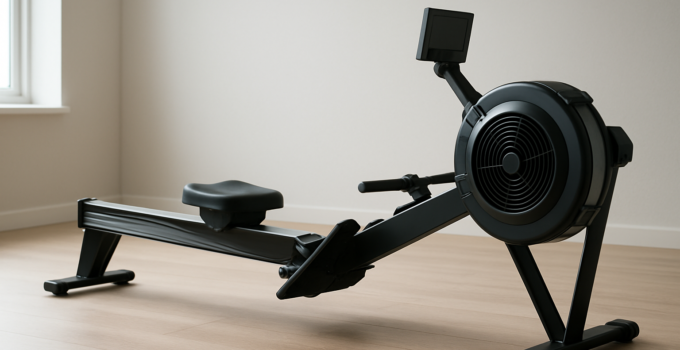
Choosing a rowing machine is rarely about a single feature: you balance noise, footprint, resistance type, durability and connectivity. Do you want a near-silent magnetic unit for early-morning sessions in an apartment, a compact foldable that disappears in a closet, or a robust air/water machine that reproduces the feel of rowing on water? The trade-offs are practical: a smooth magnetic brake tends to be quiet and low-maintenance but can feel less “dynamic” than air or water resistance; heavy-duty club-grade machines endure intense daily use but take more space; app connectivity can motivate you, yet it doesn’t compensate for uncomfortable seats or flimsy rails.
In this comparatif we assess six popular models that represent the main approaches to home rowing: budget magnetic designs, foldable space-savers, a wooden water-rower, and a club-standard air rower. For each machine we explain what it brings concretely, where it shows limits, and which user profile it serves best. We also compare models against one another so you can see why one choice makes more sense than another depending on your priorities.
Expect clear verdicts: which unit suits strict space constraints, which one is the best all-rounder for a household with several users, which one is for someone training at high intensity, and which offers the most authentic rowing feel. After the detailed reviews we summarize recommendations by user profile and provide an extended buying guide covering resistance type, size and ergonomics, performance tracking and the mistakes to avoid.
Below you’ll find the comparison table summarizing technical highlights and scores, then a deep-dive into each model to help you choose with confidence.
| Product | View product |
|---|---|
MERACH Rameur Musculation D'appartement, 16 Niveaux de Résistance, Rameur Magnétique Silencieux avec APP Exclusive, Rails Doubles Améliorés pour Plus de Stabilité, Assemblage Facile(Gris) | Amazon data is loading |
CURSOR Rameur Musculation d'Appartement,16 Niveaux de Résistance avec APP | Amazon data is loading |
Rameur Pliable Appartement Freinage Magnétique 16 Niv de Résistance | Silencieux avec APP Exclusive, Rameur Magnétique Support de Tablette Assemblage Facile | Amazon data is loading |
Concept2 Modèle D Rameur avec écran PM5 Noir | Amazon data is loading |
YPOO Rameur Musculation, Rameurs avec Résistance Magnétique 16 Niveaux | Amazon data is loading |
YOSUDA 2026 Nouveau Rameur Pliable Appartement, avec Grand réservoir 22L, APP/Bluetooth, Ultra-Silencieux, Support téléphone réglable, capacité Max. 190cm/182kg et pré-assemblé à 98%, Rameur a Eau | Amazon data is loading |
MERACH Indoor Rowing Machine (MERACH)
MERACH positions this rower as a complete home solution: magnetic resistance with 16 levels, a dual-rail for improved stability, and a proprietary app to turn sessions into guided workouts. What stands out practically is the emphasis on quiet operation and a long rail that fits tall users; the specification suggests a focus on couples or families who share the machine. The magnetic system and 5.5 kg flywheel are intended to deliver a stable, low-noise stroke suited to apartment life.
Where MERACH really competes is in the ecosystem: an exclusive app with many routes and gamified content can be a real motivator if you prefer interactive training. Compared with entry-level magnetics that only show basic metrics, the app adds measurable value for users who need structure and variety. The double-rail concept reduces lateral play and gives a firmer feel than single-rail budget rowers, so you notice the difference during more forceful strokes.
Limitations are typical of magnetic machines at this price and spec: the inertial feel is not the same as an air or water rower, so if you prioritize a very dynamic, power-driven stroke you may prefer an air or water model. The flywheel mass and resistance mechanism also determine how smoothly very high intensities are handled; heavy athletes or sprint-focused interval training may expose slightly less natural inertia compared with a heavier flywheel or water resistance.
Compared to the Concept2, MERACH is quieter and more compact, and its app-led experience is closer to many modern home-use competitors. Compared to the folding YPOO or Dripex models, MERACH aims at the same target user but differentiates itself with its proprietary software and slightly more robust rail design. Against the YOSUDA water rower, MERACH is notably quieter and easier to maintain but less authentic in stroke feel.
Strengths
- Silent magnetic system: suited to early-morning or apartment use without disturbing others.
- Dual rail for stability: firmer ride under load than many single-rail competitors.
- App ecosystem: rich interactive content that helps structure training and motivation.
- Long rail capacity: accommodates taller users comfortably.
Weaknesses
- Stroke feel: less natural/inertial than water or high-inertia air machines for very intense sessions.
- Flywheel mass: may limit the most explosive intervals compared with heavier flywheel or water rowers.
Verdict — We would recommend MERACH to someone who trains at home in a shared living space and values quiet, guided workouts and stability. If you prioritize the truest rowing sensation or need a machine built for daily heavy club-style use, choose the Concept2 (for durability and competition-grade performance) or the YOSUDA water rower (for a more realistic water feel).
CURSOR Indoor Rowing Machine (CURSOR FITNESS)
CURSOR positions itself as the accessible option: 16 resistance levels, Bluetooth connectivity (Kinomap-compatible), dual-rail stability and compact storage. Practically, this is the rower for someone who needs a full-body training device but cannot dedicate a large budget or storage footprint. The vertical storage and rollers make it easy to stow away between sessions, which is a decisive factor for small flats.
In day-to-day use you’ll find the CURSOR covers the essentials: an LCD to check duration, cadence and calories, and an app link that brings variety. For newcomers to rowing or light-to-moderate cardio work, the resistance range is adequate. Compared with the MERACH and mid-range models, CURSOR’s advantage is its price-to-features balance: you have app-based content and adjustable resistance without a heavy investment.
Where CURSOR shows its limits is in refinement: lower-cost magnets and construction choices often mean slightly more play in the motion or a less premium seat and footplate finish. If you regularly push for high-intensity intervals or require a very precise performance monitor, a higher-tier model will feel more robust. Also, while the Kinomap connectivity is useful, the depth of the onboard metrics is more basic than what you find on dedicated performance rowers.
Compared with the Dripex and YPOO, CURSOR is the budget-friendly alternative that still offers app integration. If you want more longevity, a stronger rail and a more convincing warranty or build quality, Dripex or YPOO would be preferable. Against the Concept2 and YOSUDA, CURSOR is aimed at recreational users rather than athletes seeking the best stroke dynamics or club-level reliability.
Strengths
- Accessible price point: delivers core features without a large investment.
- Bluetooth/app compatibility: lets you access interactive sessions and track progress.
- Compact storage: easy to move and store vertically for small living spaces.
Weaknesses
- Build refinement: materials and finishes are less premium than mid/high-end models.
- Performance depth: basic metrics and less convincing feel at very high intensities.
Verdict — Choose the CURSOR if you need an economical, space-conscious rowing machine for regular cardio and general fitness. If you expect to train at a higher intensity frequently, or you want a longer-term investment with a more authentic rowing feel, consider stepping up to the YPOO or Concept2.
Dripex Rameur Pliable (Dripex)
Dripex aims squarely at the buyer who wants a balanced machine: foldable convenience, dual-rail stability, 16 resistance levels and compatibility with common apps like Kinomap. The model emphasizes comfort with an ergonomic padded seat and antislip pedals, and it’s designed to accommodate a wide range of users. Its claim to be “best value” rests on delivering a near-premium feature set at a mid-market cost.
Practically, the Dripex stands out for its blend of comfort and functionality. The seat cushioning and pedal layout matter when you do longer sessions: discomfort quickly undermines motivation, so this model’s ergonomic choices are meaningful. The improved double-rail system gives it a steadier trajectory than single-rail rivals such as many entry models, and the foldable design keeps it competitive against the compact YPOO variant.
Compared to MERACH, Dripex competes closely on stability and app compatibility; the decision often comes down to perceived build quality and comfort preferences. Against the CURSOR budget choice, Dripex offers a more comfortable and refined user experience. However, like other magnetic rowers in this class, it cannot replicate the water-like drag curve of a water rower nor the airflow dynamics of an air rower, so athletes seeking those sensations should consider YOSUDA or Concept2 respectively.
One tangible strength is the service stance: the listing indicates a standard guarantee and a return policy, which can ease concerns about after-sales support. Realistically, if you need a machine that balances comfort, connectivity and a compact footprint for a family environment, Dripex is a compelling mid-range pick.
Strengths
- Comfort-oriented design: ergonomic seat and wide antislip pedals for longer sessions.
- Dual-rail stability: smoother and firmer stroke than many single-rail budget rowers.
- App compatibility and metrics: keeps training varied and trackable.
- Foldable and space-efficient: fits into home environments without fuss.
Weaknesses
- Resistance character: like similar magnetics, it lacks the exact feel of water or high-inertia air resistance.
- Top-end performance: may not satisfy athletes who require very steep resistance curves for sprints.
Verdict — We would recommend Dripex as the best compromise for most home users who want comfort, decent connectivity and a compact design without paying for a premium club-grade machine. If you want the clearest rowing sensation or maximum durability under heavy daily use, prefer the YOSUDA water rower for realism or the Concept2 for relentless reliability.
Concept2 Model D with PM5 (Concept2)
Concept2 represents a different category: a machine built for intensive use, familiar to clubs and serious athletes. Its air resistance creates a dynamic, responsive stroke that scales naturally with your effort — the harder you pull, the greater the resistance. Practically, that means it’s excellent for structured interval training, power testing and steady endurance sessions where stroke fidelity matters.
The PM5 monitor is a major functional advantage: it provides precise, competition-grade metrics, connects to heart rate belts and external apps via ANT+ and Bluetooth, and is widely supported in the rowing community. For anyone who wants to track performance, compare times or follow coaching programs, the PM5 and Concept2 ecosystem are unrivalled among these six models.
Durability and serviceability are core strengths: heavy-duty construction, a high user weight limit and the ability to split the machine into two parts for storage or transport make it a long-term investment. This is the choice for households where multiple users train seriously, or for a home gym that will see daily, high-intensity use.
The trade-offs are noise and footprint: air resistance is louder than magnetic systems, which can make it less suitable for early morning sessions in noise-sensitive settings. It’s also less compact than the foldable magnetics. Compared with water rowers like YOSUDA, Concept2 offers higher maximum loads and established performance benchmarking, but water rowers will appeal if you prioritize an immersive, quieter water sound and a different drag feel.
Strengths
- Dynamic air resistance: very natural feel that adapts to stroke power, ideal for athletes.
- PM5 monitor: advanced, reliable metrics and broad compatibility for training and tracking.
- Build quality and durability: designed for heavy daily use and long service life.
- High user weight capacity: accommodates a wide range of users safely.
Weaknesses
- Noise level: louder than magnetic or water systems — less suitable for strict noise constraints.
- Size and storage: bulkier than the compact foldable magnetics.
Verdict — Choose the Concept2 if your priority is performance, metrics and durability: it’s the clear pick for athletes, cross-training and anyone wanting a competition-grade machine at home. If noise or compact storage is central to your decision, consider a magnetic model like the MERACH or a water rower like the YOSUDA that offers a quieter or more immersive feel.
YPOO Rameur Musculation (YPOO)
YPOO is presented as our top pick for general home use: a foldable magnetic rower with 16 resistance levels, a long rail for taller users, and an emphasis on space-saving storage. In practice the model shines because it bundles a convincing set of features—stability from double rails, a robust design that accepts heavy users, and a foldable footprint—into a package that suits families and serious amateurs alike.
What makes YPOO stand out compared with similar magnetics is the overall coherence: a clear display with useful parameters, a rail length that handles the majority of users comfortably, and a compact folded footprint. For a household where multiple people of different heights will use the machine, this versatility matters. The quiet magnetic brake also makes it appropriate for apartment living, while the foldable design reduces the compromise between performance and storage.
Compared to Dripex and MERACH, YPOO claims a higher overall rating and emphasizes quick assembly and near-immediate usability—practical advantages if you want to be training quickly after delivery. Against the Concept2, YPOO cannot match the air-rower’s dynamic resistance or the PM5’s advanced metrics, but it is quieter and more compact. Versus the YOSUDA water rower, YPOO offers simpler maintenance and a lighter footprint, although it sacrifices the exact water-like feel.
As with other magnetic models, those seeking the truest possible on-water sensation or the most powerful sprint resistance should look at water or air machines. But for most home users who want a reliable, comfortable daily trainer that balances quiet operation and space efficiency, YPOO is a very strong contender.
Strengths
- All-rounder design: combines stability, comfort and a long rail for family use.
- Foldable and space-saving: practical for apartments and multi-use rooms.
- Quiet magnetic resistance: suitable for shared living spaces.
- Quick assembly: minimal setup time to first use.
Weaknesses
- Resistance nuance: less authentic “on-water” feeling than water rowers and less dynamic than heavier air units.
- Top-end intensity: may feel limited to athletes who need the steepest resistance curves.
Verdict — According to us, YPOO is the best general-purpose choice for households seeking a dependable, quiet and space-efficient rower. If you need absolute performance metrics and club-level durability, pivot to the Concept2; if you want the most realistic rowing sensation, consider the YOSUDA water rower.
YOSUDA Water Rower (YOSUDA)
YOSUDA brings a different philosophy: a water-resistance machine built with a wooden aesthetic, a large water tank and an emphasis on immersive feel. Water rowers are distinct because their resistance curve approximates real rowing — the sound and fluid resistance provide tactile feedback that many rowers find more satisfying and motivating than magnets or air alone.
Practically, YOSUDA’s strengths are the authentic stroke sensation and the calming water sound that many users enjoy. The larger reservoir and four-blade paddle are designed to deliver a strong, smooth resistance profile that scales with stroke intensity. The wooden construction and foldable format also make it a decently stylish home piece that can be stored vertically, which matters when you want equipment that doesn’t feel like industrial gym furniture.
Compared with magnetic models such as YPOO, MERACH or Dripex, YOSUDA offers a more visceral, realistic rowing experience. Athletes who measure their training by perceived technique and feel may prefer it. Against the Concept2, YOSUDA is quieter and offers a different sensory experience; Concept2 still leads for raw performance metrics and structured testing capability.
There are trade-offs: water rowers require occasional maintenance of the tank and are generally heavier and bulkier than compact magnetics. They also present a different noise profile — the water sound is pleasant for many, but not silent. If your home has strict noise constraints or if you prioritize minimal upkeep and vertical compactness above rowing feel, a foldable magnetic machine like the YPOO will be preferable.
Strengths
- Authentic rowing feel: water resistance closely reproduces on-water dynamics.
- Immersive sensory feedback: natural water sound enhances motivation and perceived effort.
- Robust construction and storage: wooden design with a foldable option suits home interiors.
- Good capacity and rail length: accommodates taller and heavier users comfortably.
Weaknesses
- Maintenance: occasional tank attention compared with near-zero maintenance on magnets.
- Noise profile: water sound is pleasant but not silent — consider neighbors or early sessions.
Verdict — We recommend YOSUDA for anyone who values an authentic, engaging rowing sensation and appreciates the aesthetics of a wooden water rower. If you need a near-silent solution for tight apartments or low-maintenance operation, a magnetic foldable like YPOO or MERACH will serve you better.
Quel modèle choisir selon votre profil ?
Athletes and performance-focused users: Concept2. For structured intervals, testing and the most faithful training metrics, Concept2’s air resistance and PM5 monitor are unmatched.
Family home with varied users: YPOO. Its long rail, sturdy build and foldable footprint make it the most versatile day-to-day choice for multiple heights and fitness levels.
Small apartment and strict noise constraints: MERACH or YPOO. Both magnetic systems are quiet; choose MERACH if you prefer a stronger app ecosystem, YPOO for a slightly more space-optimized design.
Budget-conscious buyer who still wants app training: CURSOR. It provides adjustable resistance and Bluetooth connectivity for someone starting out or training casually.
Comfort-focused, long sessions: Dripex. Ergonomic seat, wide pedals and a stable rail make it more comfortable for extended workouts than some budget models.
Rowing feel and immersion: YOSUDA (water rower). If you value realistic drag and the sensory pleasure of water resistance, YOSUDA is the most convincing at home.
Guide d’achat : comment choisir le bon rowing machine
Types de résistance et leurs conséquences pratiques
– Magnetic: quiet, low-maintenance and compact. Good for apartments and users who prize discretion. Resistance is often stepped across predefined levels and may feel less “live” than water or air systems at very high intensities.
– Air: responsive and power-adaptive — the harder you pull, the greater the resistance. Favoured by athletes and clubs; louder and usually heavier.
– Water: reproduces on-water dynamics and provides an immersive sound/feel. Requires some tank maintenance and tends to be heavier; offers a very smooth resistance curve.
Ergonomie et confort
A comfortable padded seat, a rail of sufficient length for your height, and well-shaped footrests with secure straps are critical. If you plan sessions longer than 20–30 minutes, test or inspect seat padding and the smoothness of the gliding mechanism. Double-rail constructions typically reduce wobble compared with single-rail designs.
Metrics, connectivity et applications
Decide how much data you need. If you train by power, pace or heart rate, a PM5-like performance monitor or a machine with accurate app telemetry matters. If you simply want guided workouts, Bluetooth connectivity to common apps will suffice. Consider compatibility with heart-rate belts if you use heart-rate zones.
Taille, rangement et poids utilisateur
Measure your available storage and check folded dimensions. Some machines stand vertically to save space; others break into two parts. Also confirm maximum user weight and rail length for comfortable leg extension if you are tall or share the machine.
Noise and neighbors
For flats, prioritize magnetic or certain water rowers with effective dampening. Air rowers are generally louder; the “acceptable” noise level depends on your household and schedule.
Warranty, service and spare parts
Look for clear warranty terms and accessible spare parts/service. A good after-sales policy matters more than small differences in specification because rowers are mechanical devices that may need replacement parts over time.
Common errors to avoid
- Choosing purely on price: a very cheap rower can cost motivation if it’s uncomfortable or breaks down.
- Ignoring rail length: tall users must check seated leg extension — cramped rowing ruins technique.
- Underestimating noise: test or research the noise profile if you live with others or train early/late.
- Overlooking connectivity: if tracking progress keeps you motivated, pick a model with robust metrics and app support.
best boxing gloves complements a disciplined training routine by protecting hands during high-intensity sessions on the water-impersonated grip of rowing, where wrist and knuckle safety matters just as much as cardio performance.
Conclusion
Overall best choice: YPOO — for most home users it combines stability, quiet magnetic resistance and foldable convenience, making it the best all-rounder. Best budget option: CURSOR — it provides core features and app access for new or casual users without a big outlay. Best performance option: Concept2 — unrivalled for athletes and anyone who demands precise metrics and club-grade durability. For those seeking the truest rowing sensation, YOSUDA’s water resistance remains the most convincing.