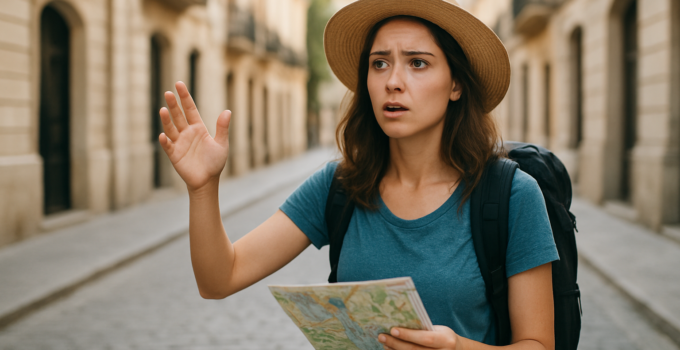
Traveling alone can be liberating, educational and deeply rewarding. It also exposes you to situations you might not face in a group. Knowing common pitfalls and how to avoid them helps you stay safe, save money and get more out of your trip.
This article outlines ten common mistakes solo travelers make, explains why they matter and gives concrete strategies to prevent them. Use these tips to plan smarter, feel more confident on the road and enjoy the freedom of solo travel without unnecessary headaches.
1. Overpacking
Bringing too much luggage makes moving from place to place harder and creates physical and mental clutter. Heavy bags can limit your mobility, increase transport costs and make you less flexible with last-minute plans.
Pack versatile clothing that can be layered and mixed, prioritize essential gear (documents, medication, a lightweight rain layer) and aim to carry everything on your back or as a single small suitcase if possible. Lay outfits out before packing and remove anything you can live without for a few days.
2. Failing to Research Practicalities
Not knowing local transport options, currency issues, cultural norms or safety concerns can turn a simple trip into a stressful experience. Practical knowledge helps you move confidently and avoid avoidable mistakes.
Before departure, learn how to get from the airport to your accommodation, check typical taxi or ride-share availability, and understand basic tipping and dress expectations. Save offline maps and key addresses on your phone, and bookmark local emergency numbers and the nearest embassy or consulate.
3. Ignoring Accommodation Location
Choosing a cheap place far from the areas you want to visit or in an unsafe neighborhood can cost you time and peace of mind. Solo travelers benefit from being based in a convenient, well-lit area with easy access to transport and services.
Prioritize location over extras: proximity to public transit, daylight activity in the neighborhood, and verified guest reviews that mention safety and host responsiveness. If a place seems isolated or has limited transport at night, consider paying a bit more for a central, secure option.
4. Oversharing Your Plans Publicly
It’s tempting to post travel plans and live updates on social media, but broadcasting your location and itinerary can expose you to theft or unwanted attention. Safety and privacy are especially important when you’re alone.
Share detailed plans only with trusted contacts. Use private messaging for check-ins and avoid posting real-time updates that reveal you’re alone or away from your accommodation. Consider delaying public posts until after you leave a location.
5. Not Having a Basic Safety Plan
Travel mishaps happen: missed flights, lost documents, illness or minor theft. Having a simple safety plan reduces panic and speeds recovery.
Keep digital and physical copies of your passport and important documents. Share your itinerary with a trusted person back home and set regular check-in times. Carry a small emergency kit (first-aid essentials, a backup charger, a photocopy of important contacts) and learn a few key phrases in the local language for asking help.
6. Ignoring Local Customs and Etiquette
Disregarding cultural norms can cause misunderstandings or offend locals, making your trip less pleasant and sometimes unsafe. Dressing, speaking and behaving with awareness helps you gain goodwill and smoother interactions.
Read up on basic etiquette: appropriate dress for religious sites, gestures to avoid, and acceptable ways to bargain or decline offers. A respectful approach often invites friendlier responses and better service.
7. Relying Solely on Technology
Smartphones and apps are invaluable, but signal loss, battery failure or lack of data can leave you stranded. Don’t depend entirely on technology for navigation, reservations or translations.
Download offline maps and important documents, carry a paper map or printed directions for critical transfers, and bring a portable charger. Learn to ask for directions and confirm critical details like opening hours in person when possible.
8. Skipping Travel Insurance
Some travelers skip insurance to save money, but medical emergencies, cancellations and theft can become expensive quickly. Insurance provides a safety net that keeps you from absorbing large unexpected costs.
Choose a policy that covers medical evacuation, trip interruption and theft for the activities you plan to do. Read exclusions carefully—some policies don’t cover certain adventure sports or pre-existing conditions—so pick one that matches your itinerary and risk tolerance.
9. Not Budgeting Realistically
Underestimating daily costs or not leaving a contingency fund can force you into uncomfortable compromises or cut a trip short. On the other hand, overplanning every penny can make travel feel stressful rather than enjoyable.
Create a flexible budget that accounts for accommodation, food, transport, activities and a buffer for unexpected expenses. Track spending with a simple app or a small notebook to avoid surprises and to know when to tighten or loosen the purse strings.
10. Avoiding Social Interaction Out of Fear
While safety matters, excessive isolation can make solo travel lonely and limit opportunities to discover local life. Meeting other travelers and locals can enhance your experience and offer practical help or companionship.
Balance caution with openness: use reputable social platforms, group tours, cooking classes or shared-hostel common areas to meet people. Trust your instincts—if a situation feels off, step away—but don’t let fear stop you from saying hello or joining a group activity.
10 Mistakes to Avoid When Traveling Abroad offre une perspective complémentaire en étendant le cadre des erreurs potentielles à un voyage international, ce qui peut inspirer le lecteur à anticiper les défis globaux même lorsqu’il voyage seul.
Conclusion
Solo travel is a powerful way to grow, learn and enjoy freedom, but it works best when guided by preparation and common sense. Avoiding these ten mistakes—overpacking, poor research, bad location choices, oversharing, lacking a safety plan, ignoring customs, overreliance on tech, skipping insurance, unrealistic budgeting and social withdrawal—will help you travel more smoothly and confidently.
Plan practically, stay aware but open to new experiences, and you’ll get the most out of traveling alone without unnecessary risk or regret.