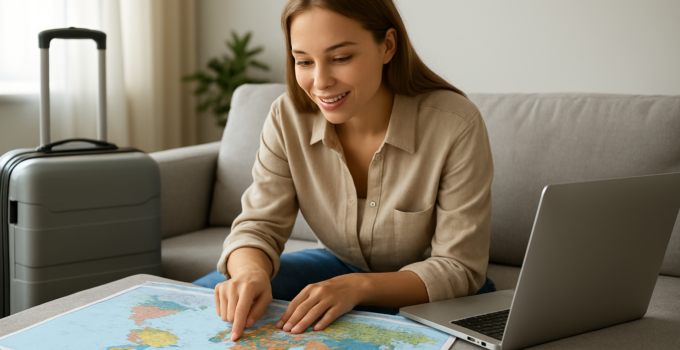
Moving abroad is exciting but also complex. Whether you’re relocating for work, study, love or adventure, preparing well reduces stress and helps you settle faster. This guide covers ten practical things to know before you make the move, so you arrive informed and ready to adapt.
Each point focuses on actionable considerations — legal, financial, practical and emotional — that commonly determine how smooth your relocation will be. Use this as a checklist to plan, prioritize and avoid common pitfalls.
1. Visa and residency requirements
Your legal right to live and work in another country is the first and most important factor. Different visas have different restrictions on employment, duration of stay, tax obligations and access to public services. Research the exact visa categories available to you and the documentation required for each.
Start the application process early, and be prepared for processing delays. If possible, consult the destination country’s official immigration website or an immigration specialist to clarify ambiguous rules. Keep copies of all submitted documents and receipts.
2. Healthcare access and insurance
Understand how the healthcare system works where you’re moving: is it public, private, or a mix? Some countries require expatriates to enroll in national health insurance, while others expect you to have private coverage. Know whether your current health conditions are covered and whether prescriptions and specialist care are accessible.
Buy comprehensive international health insurance for the initial period if you won’t immediately qualify for public healthcare. Check details like emergency evacuation, pre-existing condition coverage, maternity care and mental health services.
3. Financial planning and taxes
Moving abroad affects income, savings, banking and taxes. Open a local bank account as soon as you can; this makes everyday transactions and salary payments simpler. Learn whether your home country taxes worldwide income or offers treaties that prevent double taxation.
Plan for currency exchange fees, international transfer costs and the local cost of living compared with your current expenses. Keep an emergency fund in an easily accessible account for unexpected costs such as housing deposits, initial transportation or bureaucratic fees.
4. Housing: renting versus buying
Decide whether to rent or buy based on your length of stay, financial stability and local market conditions. Renting offers flexibility and lower upfront costs, but leases can include clauses unfamiliar to you, like short-term furnishing requirements or utility arrangements.
Research neighborhoods for safety, commute times, proximity to schools or healthcare, and noise levels. Visit properties in person when possible, or use a trusted local agent. Read rental contracts carefully and know your rights as a tenant in that country.
5. Employment and work culture
If you’re moving for a job, clarify the employment contract: salary, benefits, probation period, termination conditions, and relocation support. If you’re job-hunting, prepare for different hiring practices, expected qualifications and interview styles.
Understand local work culture — attitudes to punctuality, hierarchy, communication directness and after-hours expectations. Adapting to these norms can significantly affect your professional integration and satisfaction.
6. Language and communication
Language proficiency affects daily life far beyond formal workplaces. Even basic knowledge of local phrases can ease interactions with landlords, shopkeepers and neighbors and helps in emergencies. Enroll in language classes before you leave or find online resources to build a foundation.
Learn how locals usually communicate: via messaging apps, email, or in-person. Set up a local phone number promptly and confirm that important services (banking, utilities, healthcare) can communicate with you in a language you understand.
7. Cultural norms and social integration
Respecting local customs, religious practices and social norms makes daily life smoother and shows goodwill. Read about typical behaviors regarding greetings, dress codes, gift-giving and dining etiquette to avoid unintentionally causing offence.
Actively seek social connections through local expatriate groups, hobby clubs, language exchanges or community centers. Building a social network reduces loneliness and accelerates cultural learning. Be patient — true integration takes time and small, consistent efforts.
8. Practical paperwork and documentation
Create a checklist of essential documents to take with you: passport, visa papers, birth certificates, marriage certificate, academic records, professional licenses, medical records and vaccination history. Have both originals and certified digital or physical copies stored separately.
Register with your country’s embassy or consulate after arrival if recommended. This can help with voting rights, emergency assistance or lost passport procedures. Also find out how to obtain local identity documents, tax numbers or driver’s licenses if required.
9. Packing, shipping and belongings
Decide what to bring, sell, donate or store. Shipping large items can be costly and slow; often it’s more economical to buy essential furniture locally. For sentimental or necessary items, compare shipping options and insurance coverage for lost or damaged goods.
Prepare a travel essentials bag with important documents, basic toiletries, a change of clothes, chargers, and any medication for the first days. Label boxes clearly and keep an inventory of shipped items to ease customs procedures and unpacking.
10. Mental readiness and contingency planning
Relocation involves emotional highs and lows. Expect culture shock, periods of homesickness and moments of doubt. Build realistic expectations: not everything will be perfect immediately, and setbacks are part of the process.
Create contingency plans for likely issues — job changes, visa delays, health problems or housing setbacks. Identify local support networks, emergency contacts, and the nearest embassy or consulate. Maintain ties with friends or family back home and schedule regular check-ins to preserve emotional stability.
10 Reasons Why You Should Travel Alone voyager seul peut clarifier ce que vous cherchez lorsque vous vous installez à l’étranger et vous aider à aborder les aspects culturels et pratiques avec plus d’autonomie et de confiance.
Conclusion
Moving abroad is a major life step that benefits from careful, practical planning. Address legal status, healthcare, finances and housing early, learn the language and culture, prepare essential documents and belongings, and look after your emotional wellbeing. With preparation and realistic expectations, you’ll increase the chances of a successful and fulfilling transition.