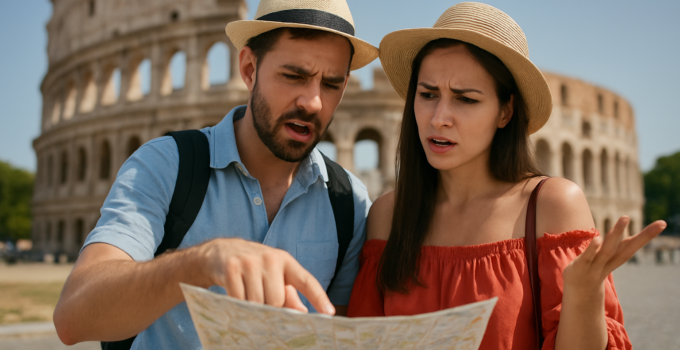
Italy rewards visitors with rich history, world-class cuisine, and landscapes that range from rugged coastlines to rolling vineyards. Yet even seasoned travelers can fall into avoidable traps that reduce enjoyment or lead to frustration. This article identifies ten common mistakes tourists make in Italy and explains how to avoid them so you can experience more of what matters.
Each mistake below includes practical alternatives and simple adjustments you can make before and during your trip. The aim is to help you travel more smoothly, respect local customs, and leave with better memories than tales of missed opportunities.
Common mistakes tourists make in Italy
1. Trying to see too much, too fast
Italy’s compact size and efficient transport can tempt visitors into squeezing multiple cities into a short trip. The result is rushed museum visits, long transfers, and superficial experiences of places that deserve time.
Instead, prioritize a smaller number of destinations and build in full days rather than cramming a checklist. Allow time for unplanned discoveries, relaxed meals, and simply wandering neighborhoods—where some of the most memorable moments happen.
2. Sticking only to famous tourist spots
Landmarks like Rome’s major sites, Florence’s galleries, and Venice’s canals are iconic for good reason, but focusing exclusively on them often means missing quieter neighborhoods, regional specialties, and authentic daily life.
Balance must-see attractions with lesser-known neighborhoods, nearby towns, or countryside areas. Day trips to smaller towns or exploring residential districts will offer a different, often more authentic perspective.
3. Expecting dinner service to start early
Meal rhythms in Italy differ from some other countries. Restaurants often open for dinner later in the evening, and dining is a slower, social experience rather than a quick transaction.
Plan around local meal times by checking restaurant hours in advance and allowing for a relaxed pace when eating. If you need an earlier option, look for cafes, trattorie, or enotecas that serve simple plates earlier in the evening.
4. Underestimating walking and cobblestones
Many Italian towns are best explored on foot, but that often means navigating steep streets, narrow alleys, and uneven paving. Unsuitable footwear can quickly turn pleasant exploration into discomfort.
Bring comfortable, sturdy shoes with good grip. Pack light so walking feels easier, and be prepared for stairs—many historic attractions lack elevators.
5. Not validating train or bus tickets
Regional trains and local buses frequently require passengers to validate paper tickets before boarding. Forgetting to do so can lead to fines and inconvenient delays.
Look for validation machines near platforms or bus boarding areas and timestamp your ticket. For digital tickets, confirm the app’s instructions and keep the confirmation accessible until the journey ends.
6. Ignoring local etiquette and simple Italian phrases
Assuming locals will adapt to every visitor can come across as unaware. Small gestures—greetings, a polite “please” and “thank you,” or an attempt to speak Italian—are noticed and appreciated.
Learn basic phrases such as hello, please, thank you, and excuse me. Observe local etiquette like greeting shopkeepers on entry and being mindful of volume in public spaces. A little effort goes a long way.
7. Expecting credit cards everywhere
While many places accept cards, cash still plays a role in daily life, especially in small towns, markets, cafes, and for small purchases or tips. Relying solely on cards can cause inconvenience.
Carry a moderate amount of cash for incidental purchases and verify card acceptance in smaller establishments. Use ATMs at bank branches where possible to avoid higher fees, and notify your bank about travel plans to prevent card blocks.
8. Overbooking tours and missing free museum days or closures
Museums and attractions may have irregular opening hours, special closures, or days with free entry that attract crowds. Relying on a single plan without checking specifics can lead to disappointment.
Check opening hours and booking requirements in advance. Where possible, reserve timed-entry tickets for popular sites. Keep a flexible backup plan—nearby parks, markets, or churches often make worthwhile alternatives if a site is unexpectedly closed or too crowded.
9. Eating at tourist-trap restaurants
Restaurants immediately adjacent to major sights often cater to tourists with generic menus and higher prices. This can obscure the diverse regional cuisines that make Italy so appealing.
Look for places frequented by locals, study menus for regional specialties, and avoid venues with multilingual menus plastered outside. Early dinners or lunch away from peak times can also help you find better options with shorter waits.
10. Overlooking regional variety
Italy is not a single culinary or cultural experience. Each region has its own dialects, dishes, wines, and traditions. Treating the country as homogeneous leads to missed opportunities to taste and learn about regional distinctiveness.
When possible, try local dishes and wines specific to the region you’re visiting. Visit local markets, speak to producers or shopkeepers, and be open to unfamiliar ingredients and preparations. This approach enriches travel and deepens appreciation of place.
Practical tips to avoid these mistakes
Plan with flexibility
Create a travel plan that highlights priorities but leaves open blocks of time. Allow half-days for spontaneous exploration and rest. Build travel buffers between cities to accommodate delays and reduce stress.
Research smart, not obsessively
Read up on neighborhoods, local specialties, and transport options, but avoid micromanaging every hour. Consult a mix of official sources and recent traveler experiences for realistic expectations about opening times and seasonal variations.
Respect local rhythms
Observe local schedules for meals, shopping, and religious services. Small adjustments—like taking a late lunch or embracing a slow dinner—often yield better experiences and show cultural respect.
Use public transport and local guides wisely
Trains and buses connect many towns efficiently; long car drives through narrow streets can be stressful. For specific interests like food tours or artisan visits, local guides can provide context and access that transform ordinary visits into memorable ones.
Pack thoughtfully
Bring comfortable shoes, a light rain layer, a reusable water bottle, and any essential medications. A compact guidebook or a shortlist of must-see items helps keep focus when exploring. Leave room for souvenirs that reflect local craftsmanship rather than mass-produced items.
10 Mistakes Tourists Make in Japan suggère des parallèles surprenants entre les pièges courants en Italie et au Japon, et montre comment éviter les malentendus culturels lorsqu’on voyage dans des pays qui partagent des points communs invisibles.
Conclusion
Italy rewards curiosity, patience, and openness to regional differences. By avoiding rushed itineraries, respecting local customs, preparing for practicalities like ticket validation and cash needs, and seeking food and neighborhoods favored by locals, travelers can enjoy richer, more relaxed visits. Small changes in planning and attitude often lead to the most memorable experiences.